Search This Blog
Wednesday, April 28, 2010
India and the Commonwealth Games/Suresh Kumar Lau
The roots of the Commonwealth Games lie with their predecessor, the Empire Games. India participated for the first time in the Empire Games in London (1934), four years after the start of the Empire Games. India participation in the Olympic, from the 1920s; was an important watershed for the politics of colonialism.
India’s went to participate in the Olympic on equal provision with the British, at the time when colony was not even invited to the inaugural British Empire Games in Hamilton, Ontario (Canada) in 1930. Apart from Bermuda, British Guiana and Newfoundland, only the white settler dominions of South Africa, New Zealand and Australia were invited to the inaugural Empire Games. The first Games, staged in 1930 under shadow of great depression cost $ 30,000. The organizers provided the cash, $ 19,000 for the cost of athletes from the white setter dominions. India have a fine record of performance at the Commonwealth Games and have almost always contributed to the glory of this movement.
London 1934 triggered a controversy, the Games were originally scheduled for South Africa. The Games had to be shifted because of protest over the treatment of black people in the country. 500 athletes from 16 nations, including India participated. India wrestler Anwar Rahshid won the bronze medal in the 74 kg weight category. The greatest problem for the third Games at Sydney was one of travel. In 1938 Games cycling was introduced. Our cyclists returned empty-handed as was the case of its four athletes who took part in Vancouver Games in 1954 and returned without success. In 1942 Games were awarded to Montreal but cancelled because of World War II. The chosen site was at the same place as the 1976 Olympic venue. In 1954 Games created sports legend, for it was there that Roger Bannister and John Landy made history, both breaking the barrier of the four minute-minute mile as they streaked to the finish line. Never before had two men, in competition, both shattered the four-minute barrier. Our sportsperson have especially done well in the last thirteen Games between Cardiff (1958 and Melbourne (2006). India’s accomplishment at the Commonwealth Games through this period in this pattern of improvement at the Games, where the contest is of a certain competence although less than, and is good enough to promote sports thus providing a spring board for foster efforts. A glance into the Games history conveys the dominance of Australia and England and to an extend, first host Canada. However, the gap between utmost countries is slandering. India which joined the Games in 1934 in London, earned 50 medals — 22 gold to be retained fourth on the table at the 18th Commonwealth Games, 2006 Melbourne.
Tuesday, April 27, 2010
Sports Minister Interview on cwg2010/Aman Dhall
Publication: Economic Times Mumbai; Date: Oct 4, 2009; Section: Spl Report; Page: 9
‘I AM THE LAST BATSMAN IN’
HE is known for his candid and hard-hitting approach, which has made him the centre of one controversy or the other. His knack for blunt comments may have landed him into trouble many a time, yet sports minister MS Gill refuses to mellow down. A mountaineer by passion, he says the only way CWG’10 can be organised successfully is through effective leadership. In a free wheeling conversation with Aman Dhall & Shantanu Nandan Sharma, he compares his current status to a tailender batsman in cricket who has to score runs so that his team can win the match. Excerpts:
Did the same delays and problems exist when India hosted the Asiad in 1982?
It’s a long time back, 28 years have gone by. The magnitude of the games was much smaller in comparison to the current job in hand. Yet all of us who witnessed them admire the manner in which they were organised. Credit must go to the then incumbent government. Rajiv Gandhi was very much present taking a great deal of interest. Any bottlenecks, delays requirements were taken care of promptly. Then home minister Buta Singh with a team of 20-odd officers made sure that deadlines were achieved.
What are the issues now? And what is the role of sports ministry?
In our structure of government execution, we have multiple authorities, multiple interest, multiple strings all merging into a pullover. While we admire other countries, we must understand that these games are differently organised. These were signed back in 2003. That government was in-charge. I am in this business since April 6, 2008. I am really Johny come lately — that’s what I am. Whole process is divided between different organisations.
About nine major stadiums are to be done by the Central Public Works Department (CPWD) funded by the SAI and supervised by the sports ministry. When I came last year, three of the stadiums had not even been thought about being started. There were ideological issues between federations, various authorities and organising committee. These were swimming, shooting and cycling stadiums. I immediately sorted out the issues and got the work started. As of now, I am the last batsman in. I have no option but to score 20-30 runs not out so that my team wins by one wicket. I am not good enough as a batsman since 10 chaps want to catch me. I cannot take risks and have to score my runs in singles. That’s where we are.
Surely you cannot escape the responsibility, but what is the way out?
The only way to do it now is through leadership. I believe those engineers. All the stadiums are now getting built at a great speed. We will get it done. Architecturally, the swimming stadium will be a stunning structure. It’s a challenge, it will take time.
Since last year, we have strengthened the financial controls. Then we have a Commonwealth co-ordination committee where top officials from government, organising committee and different authorities sit like professionals every month. We discuss as equals, item by item. What action has been taken, what to do now, what are the important points.
In fact, Sheila Dikshit is also running round and round. She and I are two sides of the same coin. While she is the face of Delhi, I as the sports minister represent the government of India. No matter who is responsible ultimately everybody is going to question — mantri ne kya kiya, sarkar ne kya kiya (what has the minister done, what has the government done). That’s how democracy works and beyond that media doesn’t analyse.
What about the training of athletes?
To get the athletes ready, last year we got the Cabinet to sanction Rs 678 crore, which is a lot of money. This amount is for the period of two and a half years and only for coaching. Ministry has never had spent such kind of money ever. And we have chosen without delay about 1,300 sportspersons who will represent the country in the Games. I had made it clear to federations then I don’t want to get noises from anywhere that you have been unfair to any boy or girl. Until now, nobody has come and said there was partiality in selection. That’s been a satisfactory part. We have appointed 13 foreign coaches. We are making sure athletes get foreign exposure, never mind the current restriction on ministers.
Sunday, April 25, 2010
Designing of logo of CWG2010 Shera / Vishal sonar
Marketing
The games mascot is a human character to an animal which is a tiger called Shera; a name taken from the Hindi word Sher – meaning tiger. The logo and the look for the games were designed by Idiom Design and Consulting.
This Consulting is a heavy design and consultancy based in Bangalore. It has designed over 100 brands and 10 million square feet of goods to the general public
Short History
Idiom Consultancy was E.S.T.D in year 2005 with E-sign and Tessaract. Idiom designs includes brand, experiences, identities, communication, exhibitions, products , social transformations, display Systems etc.
The Idiom industries works includes: retailing, education, real estate, telecom, hospitality, two wheeler, beauty, media, fashion, technology etc.
Sonia Manchanda who founded E-sign along with Anand Aurora and Jacob Mathew who were part of the founding team of Tessaract which includes furniture and designing products heavily which came together with support from Kishore Biyani, CEO, Future Group.
Idiom currently employs 103 people that have experience in multidisciplinary design, research, consulting and advertising.
Saturday, April 24, 2010
RICH IN HERITAGE, WILL DEFINETLY BECOME RICHER ON CWG 2010/Vishal Sonar
Monuments of a place surely eulogize about the past grandeur. And often more. Delhi is an ancient land, where the culture rose to soaring pinnacles long before modern civilization made its way into everyone's heart. Today, “Delhi walas” are justly proud of their rich heritage, that in itself a reason to plan a vacation trip to this capital city. Thanks to a vocal movement, conservation today takes precedence over development concerns and a lot of the country's architectural heritage is remarkably well preserved, while the rest is being restored to its pristine glory. So rich is the heritage - both secular and sacred - ranging from grand Mughal forts to the towering temples portraying exquisite architecture. Somewhere it is the ornate Nagara style, somewhere it is the opulent Gothic architecture. Tourists can also visit the fine churches and public buildings that pepper the lush green land of Delhi. The grand colonial buildings made in European style can be found dotting the Central Delhi terrain.
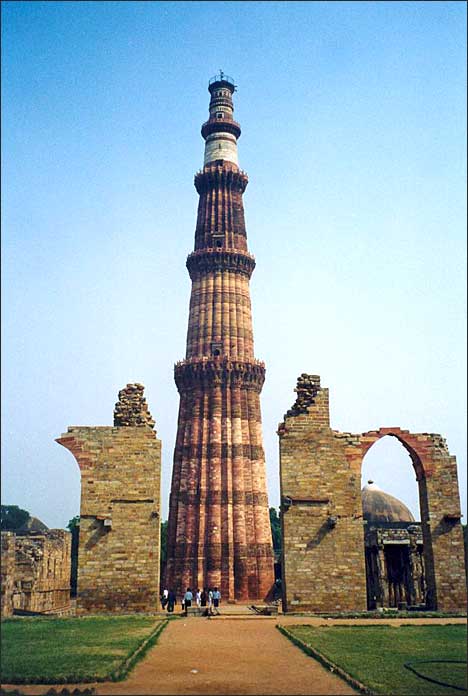
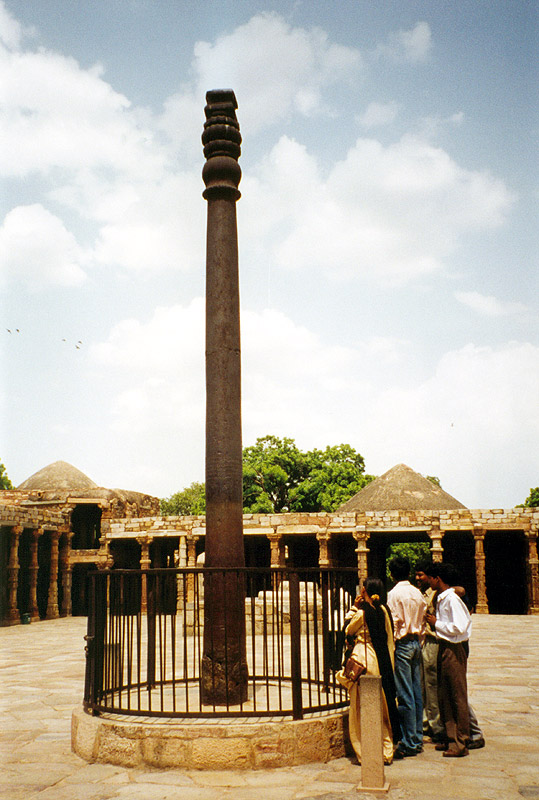
Visit the complex of monuments and remnants at the Qutub Complex, comprising of the famous Qutub Minar and Iron Pillar. Worth a visit are the memorials of Humayun's Tomb, Safdarjung Tomb and Lodi's Tomb, which stand as a testimony of the rich Mughal architecture. Check out the ramparts of Feroze Shah Kotla and Havelis situated in the narrow crowded lanes of Chandni Chowk. A must visit are the colonial architectural grandeur, from the exquisitely designed Rashtrapati Bhavan and Parliament House, to the lush green lawns of India Gate that commemorates the soldiers who laid down their lives for their Nation and the Sectariates of North and South Block.
The ancient monuments nestling in the modern quarters of the capital give something more than just a pleasure of reconnaissance; it also gives a satisfactory pleasure of discovery. The ruined ramparts, along with a dreamy traveler, move to find the long forgotten glory. Wander around, touch the moss covered red sandstone walls, enter the grand marble palaces that roost inside the colossal forts...do anything, go anywhere, but believe us you cannot forget the erstwhile royal pleasures and the definition of power that are carved on the walls of every building. Besides, if you happen to visit the ruins of the Purana Kila, situated near to India Gate, you can also enjoy a round of boat cruise on the shimmering waters of the nearby lake. Visit India Gate, where besides appreciating the grand architecture of the War Memorial, you can also freak out in the lush manicured gardens while munching some spicy ready-to-eat delicacies sold by the local vendors. Children can also enjoy horse riding and elephant rides that makes for a memorable evening. Interestingly, the light and sound shows that are held in the colossal forts in the evenings also re-create history in an amazing way.
Some Fact Files -
1) Monumental Heritage : Jantar Mantar, Jama Masjid, Red Fort, Akshardham Temple, Qutab Minar, India Gate, Humayun's Tomb, Lodhi Garden.
2) Mughal Heritage : Jama Masjid – Biggest Mosque in India, Qutub Minar, Red Fort, Humayun's Tomb – Replica of Taj, Safdarjung Tomb and Lodi's Tomb, Lodhi Garden.
3) Colonial Heritage: India Gate – Heart of Delhi, Parliament, Rashtrapati Bhavan.
4) Renowned Temples : Kalkaji Temple, Hanuman Mandir, Lotus Temple, Birla Mandir, Akshardham Temple – A Wonder of Creation, Digambara Jain Lal Mandir Ji, Chattarpur Mandir, ISKCON Temple, Sai Baba Mandi
5) Renowned Mosques: Hazrat Nizamuddin Auliya Dargah, Moth-Ki-Masjid, Jamali-Kamali Mosque & Tomb, Quwwatu'l Islam Masjid or Qutub Mosque, Khirki-Ki-Masjid.
6) Famous Forts: Red Fort –
Location: Near Delhi Gate at Old Delhi.
Highlight : The Light and Sound Show held Every Evening.
Old Fort –
Location : 4 km away from Connaught Circus.
Highlight : Kuhna Masjid Inside the Fort Built by Sher Shah
Tughlakabad Fort –
Location : 15 km From Delhi.
Highlight : Tomb of Giyasuddin.
7) Famous Museums : Air Force Museum in Palam, Delhi Cantt., Shankar's Doll Museum on Bahadur Shah Zafar Marg, National Museum of Natural History on Barakhamba Road.
8) Famous Parks and Gardens : Roshanara Bagh, Rose Garden, Deer Park, Mughal Gardens, Lodhi Gardens, Talkatora Garden, Nehru Park, Buddha Jayanti Garden, Kalindi Kunj.
दिल्ली : भारत की जान/क़ुतुब मीनार/पुनीत कुमार
नमस्कार पिछली बार हमने आपको लालकिले के बारे में बताया था. अबकी बार हम आपको ले चलते है क़ुतुब मीनार की सैर कराने. जो वाकई में एक अद्भुत सैर साबित होगी. तो चलते हैं क़ुतुब मीनार की सैर करने
.
भारत की राजधानी दिल्ली दक्षिण भाग में स्थित क़ुतुब मीनार विश्व की सर्वाधिक ऊँची ऐतिहासिक इमारतों में से एक है
यह 72.5 मीटर ऊँची है
क़ुतुब मीनार की नीँव भारत के पहले मुस्लिम शासक कुतुबुद्दीन ऐबक ने ११९९ ई. में रखवायी और क़ुतुब मीनार का नाम भी उन्होंने अपने नाम पर रखा, जबकि इसकी अंतिम मंजिल 1386 में फिरोजशाह तुगलक द्वारा पूरी करवाई गयी
कहा जाता है कि इसका निर्माण पानी की आपूर्ति को दूर करने के लिए किया गया था. परन्तु कुछ इतिहासकारों ने इसे सिरे से नकार दिया था
उनका कहना है कि इसका निर्माण पृथ्वीराज चौहान ने किया था ताकि उनकी बेटी दैनिक पूजा के लिए, इस पर चढ़ कर यमुना नदी को निहार सके.
कुतुब मीनार हिंदू- मुस्लिम स्थापत्य कला का सर्वाधिक शानदार उदाहरण है
क़ुतुब मीनार में 379 सीढि़याँ हैं
नीचे का घेरा 14.3 मीटर है जबकि ऊपरी मंजिल का दायरा 2.73 मीटर है
लाल बलुआ पत्थर से इसका निर्माण किया गया. और इसके शिलालेखों पर कुरान के पविञ छंदों को उकेरा गया है
क़ुतुब मीनार को यूनेस्को द्वारा विश्व धरोहर स्थल सूची में शामिल किया गया है
क़ुतुब मीनार दिल्ली के सर्वाधिक लोकप्रिय पर्यटन स्थल में शामिल है
2006 में यह पर्यटकों में सर्वाधिक लोकप्रिय पर्यटन स्मारक रहा जबकि ताजमहल दूसरे स्थान पर रहा
क़ुतुब मीनार परिसर में कुछ अन्य स्मारक भी है: क़ुतुब महल के अंदर अधम खान जफर की कबर है और पीछे जमाली कमाली की कब्र है - क़ुतुब मीनार परिसर में 1193 में निर्मित हिंदू स्थापत्य कला के प्राचीन और मध्यकालीन निर्माण ,अवशेष मौजूद हैंलौह स्तंभ
क़ुतुब मीनार का लौह स्तंभ बहुत प्रसिद है. इसके शिलालेखो पर गुप्त लिपि में संस्कृत के छद लिखे हुए है. इसे लेकर एक कहानी यह भी है कि भीम ने इसे सांपो के राजा को मारने के लिए उस पर गाड़ा क्योंकि सांपो के राजा ने अर्जुन को काट लिया था.इसके साथ ही एक किंवदंति भी है कि केवल भाग्यशाली व्यक्ति ही इस स्तंभ को अपने बाँहों के घेरे मे ले सकते हैं
इसलिये जो भी पर्यटक यहाँ आता है वह एक बार अवश्य इस मीनार को अपनी भुजाओं में समेटने का प्रयास करता है
मस्जिद इस्लाम :-मस्जिद इस्लाम मस्जिद के रूप में क़ुतुब मीनार में स्थित है. इसके पत्थरो पर इस्लामी नक्काशीदारी की गयी है और इसको ब्रोकेड डिजायन दिए गए है.
इल्तुत्त्मिश के मकबरा :- इल्तुत्त्मिश ने सन १२३५ में अपनी कब्र का निर्माण यहाँ किया था ताकि वह मरने के बाद भी आराम से रह सके.
तो यहाँ पर ख़त्म होता है क़ुतुब मीनार का सफ़र
आगे मै आपके लिए कुछ ऐसे ही दिलचस्प सफ़र की तैयारी करूँगा. धन्यवाद!
Final Day of the VIII Commonwealth Fullbore Shooting Championship at the Kadarpur Shooting Range
Final Day of the VIII Commonwealth Fullbore Shooting Championship at the Kadarpur Shooting Range.
New Zealand bagged gold in the Queens Prize Pairs category. Kiwi pair of John Snowden and Michael Collings shot a total of 585.55v to top the scoreline. The Australian team of Geoffrey Grenfell and James Corbett finished second shooting a total of 577.51v. Northern Ireland got bronze. The Indian team of Major Amit Khanna and Major Proween Dahiya finished last with a total of 519.21v.
In the Queens Prize Badge category, Ross McQuillan of Northern Ireland finished at the top while Brian Carter of New Zealand and Daniel Richardson of Jersey were runners up and first runners up respectively.
In the Queens Prize Individual category, Gareth Morris of Wales claimed the top spot, scoring a total of 397.42v. South African Petrus Haasbroek won sliver and Australian James Corbett bronze.
New Zealand bagged gold in the Queens Prize Pairs category. Kiwi pair of John Snowden and Michael Collings shot a total of 585.55v to top the scoreline. The Australian team of Geoffrey Grenfell and James Corbett finished second shooting a total of 577.51v. Northern Ireland got bronze. The Indian team of Major Amit Khanna and Major Proween Dahiya finished last with a total of 519.21v.
In the Queens Prize Badge category, Ross McQuillan of Northern Ireland finished at the top while Brian Carter of New Zealand and Daniel Richardson of Jersey were runners up and first runners up respectively.
In the Queens Prize Individual category, Gareth Morris of Wales claimed the top spot, scoring a total of 397.42v. South African Petrus Haasbroek won sliver and Australian James Corbett bronze.
Friday, April 23, 2010
Varities of food in the capital city of India,/Neeraj Kumar
• Chinese food: Chinese food is available in every five star hotel in India, while most restaurants in Delhi do serve Chinese food.
• Mughlai food: If you talk of Mughlai food in Delhi, there are hundres of eatings places, some good , some better. But if u want your taste buds to be treated royally and the aroma of rich Indian spices creates magic in your senses, then there is one place where you should be heading straight and that is KARIM’S Shop..
• Continental food: Continental cuisines can be had at five star hotels like La Rochelle ( The Oberoi ), The Orient Express ( Taj Palace ), and Rick’s ( Taj Man Singh ) , this food also available at various multi cuisines restaurants within the city.
• Italian food: Italian food is very popular all over India and especially in Delhi where people love to have Italian food. Most of the restaurants and hotels in Delhi serve, Italian food. Most common places , where we have Italian food in the city :
• Little Italy, Defence Colony market.
• The west view at Maurya Sheraton, Olive near the Qutub Minar.
• The Big Chill, Khan market and East of Kailash is popular with a young crowd for great smoothies, ice-creams, cheescakes and Italian food.
• Flavour of Italy, near the Moolchand flyover.
• Thai food: If you are a lover of thai food, than there are few must visit food places for you like ,
• EGO thai at Friends Colony market.
• Culnaire at GK 2.
• Chilli Seasons at Lodhi Colony market.
• Ban Thai at the Oberoi Hotel.
Tandoori Food: A must visit popular Tandoori destinations in Delhi are ,
• Moti Mahal Deluxe and Havemore at Pandara Park.
• Bukhara at MAURYA SHERATON.
This restaurant is featured in the book “ 1001 places to visit, which is the best in terms of taste, ambience and quality.
Subscribe to:
Posts (Atom)